

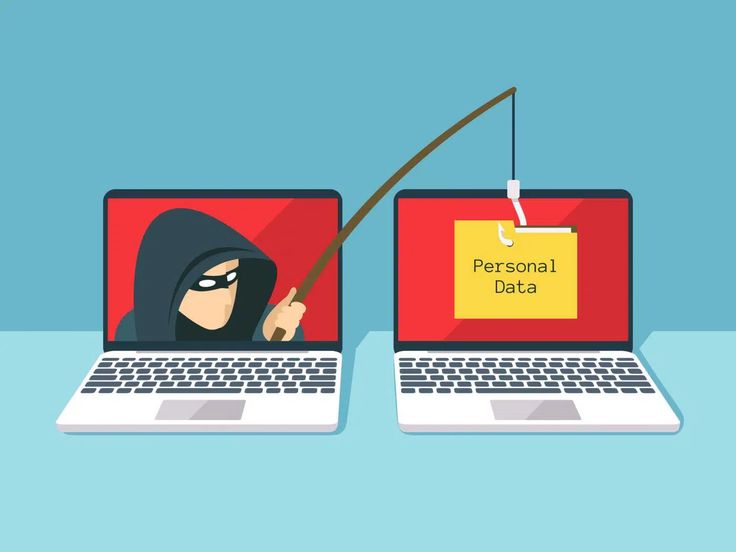
For a long time, we’ve thought about cyberattacks in fairly simple terms: attackers build malicious infrastructure, victims accidentally stumble into it, and damage follows. But that mental model is quietly breaking down.
Today, many of the most effective malware campaigns, especially infostealer malware, no longer rely on obviously malicious websites. Instead, attackers are increasingly turning legitimate business websites into unwitting distribution points, transforming them from victims into vectors.
By abusing trusted domains, content delivery networks, plugins, and third-party services, attackers are using reputation itself as a weapon. Understanding how infostealers exploit legitimate websites is now essential to understanding modern cyber risk.
The New Shape of Trust Abuse in Infostealer Malware
Infostealers are a class of malware designed to quietly collect sensitive data from infected systems’ credentials, browser cookies, autofill data, crypto wallets, system metadata, and sometimes even screenshots or keystrokes.
According to the Australian Cyber Security Centre:
“Infostealer malware steals user credentials and system information that cybercriminals exploit.”
Historically, this malware was distributed through risky channels like pirated software, suspicious attachments, or untrusted websites. Due to this, users became more cautious, browsers improved protections, and filters became more effective.
So, attackers adapted by hiding behind things users already trust.
They now exploit:
- Company websites.
- Content delivery networks (CDNs).
- Advertising platforms.
- Open-source repositories.
- Popular plugins, themes, and browser extensions.
When a legitimate website is compromised or abused, it becomes an ideal malware delivery mechanism, possessing traffic, reputation, and inherent credibility.
How Legitimate Websites Become Infostealer Distribution Channels
There are several ways attackers turn normal websites into malware distribution platforms.
1. Website Compromise
Attackers exploit vulnerabilities in CMS platforms like WordPress, Joomla, or Drupal, often through outdated plugins or misconfigured servers. Once inside, they inject malicious JavaScript or replace downloadable files with trojanized versions.
To visitors, everything looks normal. The branding is intact. The domain is familiar, but behind the scenes, malicious payloads are being delivered.
2. Supply Chain Insertion
Sometimes the site itself isn’t hacked. Instead, a third-party dependency is compromised:
- JavaScript libraries
- Chat widgets
- Analytics or marketing scripts
- Tracking pixels
This makes supply chain attacks especially dangerous because the website owner may not realize anything is wrong.
3. Abuse of Advertising and SEO
Attackers also manipulate search rankings or buy ads that lead users to compromised sites or fake pages hosted on trusted platforms, creating a seamless illusion of safety.
Why Infostealer Malware Is So Effective for Attackers
Infostealers are not popular because they are sophisticated; they are popular because they are profitable.
A single infected system can yield:
- Corporate VPN credentials.
- Cloud login cookies.
- Customer Relationship Management (CRM) and internal tool access.
- Cryptocurrency wallets.
- Password manager vaults.
Reports from Microsoft, Verizon, and Mandiant consistently show that infostealers often serve as the initial access vector for deeper attacks, including ransomware, espionage, and financial fraud.
They are rarely the end goal. They are the entry point.
From User Security to Ecosystem Security
This evolution reflects a shift from focusing mainly on individual user behavior to protecting entire digital ecosystems. Traditionally, cybersecurity emphasized user security, teaching people to avoid suspicious links, use strong passwords, and recognize obvious threats. While these practices still matter, they are no longer sufficient on their own.
As systems have become more interconnected, a single weakness in a website, third-party service, or software dependency can affect many users at once. Ecosystem security builds on user security by extending protection across platforms, vendors, and shared infrastructure, recognizing that trust now flows through networks of systems rather than isolated individuals.
What Infostealer Abuse of Websites Means for Businesses
For organizations that operate websites, this shift has serious implications:
- Your website is part of your security perimeter.
- Your brand trust can be weaponized against your users.
- Security failures now propagate outward to customers and partners.
A breach is no longer a contained event. It can become a distribution mechanism.
How to Reduce the Risk of Infostealer Distribution
No organization can eliminate this risk entirely, but it can reduce it.
For Website Owners
- Keep Content Management System (CMS) platforms, plugins, and themes updated.
- Use file integrity monitoring.
- Minimize and monitor third-party scripts.
- Use Content Security Policy (CSP).
- Regularly scan for injected code and malware.
For Security Teams
- Treat web infrastructure as part of the threat model.
- Monitor for anomalous outbound connections.
- Watch for unusual login behavior and credential reuse.
- Share indicators of compromise.
For Users
- Use password managers and unique passwords.
- Enable multi-factor authentication.
- Be cautious with downloads, even from familiar sites.
- Keep systems and browsers updated.
Conclusion: Rethinking “Safe” on the Internet
Infostealer malware abusing legitimate websites is not just a technical issue; it’s a conceptual one.
We can no longer assume that “legitimate” means “safe.” Trust is fragile, contextual, and constantly changing. Attackers don’t need to break trust; they just need to use it briefly to take advantage of people.
The challenge now is not simply blocking malicious threats, but continuously verifying the things we trust because on today’s internet, the most dangerous threats don’t arrive from the shadows.
They arrive wearing familiar faces.
Explore related questions
1. Can legitimate websites distribute malware?
Yes.
Legitimate websites can distribute malware if they are hacked or if a third-party script, plugin, or service they use is compromised. In that case, the site unknowingly delivers malicious code to visitors.
2. What is a supply chain attack in cybersecurity?
A supply chain attack is when attackers compromise a trusted third party (like a software vendor, plugin, or service provider) and use it to reach many downstream victims who trust that supplier.
3. How can businesses prevent their websites from being abused?
Businesses can prevent their websites from being abused by taking a proactive, layered approach to security. Keeping the website’s platform and any plugins or extensions up to date is crucial because attackers often exploit known vulnerabilities in outdated software. A supply chain attack happens when attackers exploit a trusted vendor or service to reach the vendor’s users.
Businesses can reduce risk by keeping software up to date, monitoring for unauthorized changes, controlling third-party scripts, implementing security policies like CSP, and regularly scanning for malware.
4. How can users tell if a website is infected with malware?
It’s often difficult for users to detect, because compromised sites usually appear normal. However, warning signs include unexpected redirects, strange pop-ups, browser security warnings, automatic downloads, or antivirus alerts when visiting the site.